

Trong ngành gia công kim loại tấm, độ chính xác và tính lặp lại của việc uốn là những yếu tố then chốt để đánh giá chất lượng sản phẩm và tính nhất quán trong sản xuất. Việc đạt được những kết quả này phụ thuộc phần lớn vào... dụng cụ uốn ép Đây là bộ phận cốt lõi tham gia trực tiếp vào quá trình tạo hình. Thiết kế cấu trúc của dụng cụ, độ chính xác sản xuất, đặc tính vật liệu và khả năng tương thích với máy ép uốn đều đóng vai trò quan trọng trong việc đảm bảo hiệu suất uốn ổn định và đáng tin cậy.
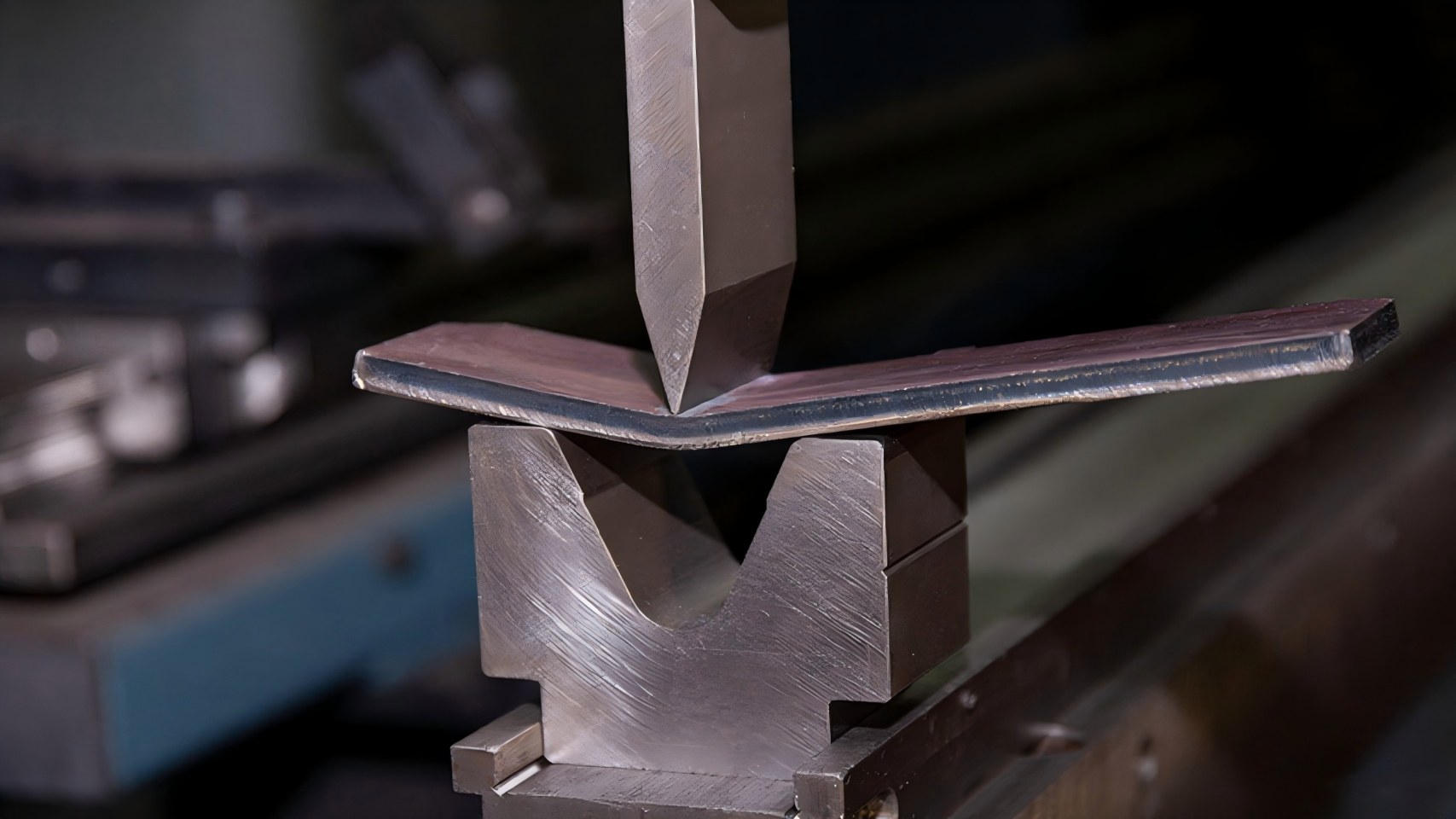
Độ chính xác trong chế tạo dụng cụ quyết định độ chính xác uốn cong cơ bản.
Việc chế tạo chính xác các dụng cụ uốn kim loại là nền tảng để đảm bảo phân bố lực đồng đều và định vị chính xác trong quá trình uốn. Nếu bản thân dụng cụ có sai sót trong gia công, rất có thể xảy ra sai lệch về góc uốn và sự không nhất quán về kích thước. Trong các thao tác nhiều bước hoặc tạo hình các hình dạng phức tạp, những sai sót này có xu hướng tích lũy và trở nên rõ rệt hơn. Do đó, để đạt được kết quả uốn có độ chính xác cao, cần phải có sự gia công chính xác kết hợp với kiểm tra chất lượng nghiêm ngặt như một điều kiện tiên quyết.
Thiết kế cấu trúc dụng cụ là yếu tố then chốt đối với sự ổn định của quá trình tạo hình.
Tính hợp lý trong thiết kế cấu trúc dụng cụ ảnh hưởng trực tiếp đến việc kiểm soát độ đàn hồi và tính nhất quán của góc uốn. Sự thay đổi trong các thông số dụng cụ—như góc uốn, bán kính đầu đột và độ mở khuôn chữ V—có ảnh hưởng đáng kể đến hành vi dòng chảy vật liệu và đặc tính đàn hồi trong quá trình uốn. Do đó, việc lựa chọn cấu trúc dụng cụ phù hợp dựa trên loại vật liệu và độ dày tấm là yếu tố then chốt để đạt được hiệu suất uốn ổn định và có thể lặp lại.
Độ cứng vững và khả năng chống mài mòn của dụng cụ đảm bảo tính ổn định lâu dài của quy trình.
Trong quá trình sản xuất hàng loạt liên tục, dụng cụ ép uốn phải chịu tải trọng uốn cao lặp đi lặp lại. Nếu dụng cụ thiếu độ cứng hoặc khả năng chống mài mòn bề mặt cần thiết, biến dạng vi mô hoặc mài mòn tại các khu vực làm việc có thể xảy ra theo thời gian, dẫn đến sự sai lệch dần dần về góc uốn và kích thước. Do đó, việc sử dụng thép hợp kim cường độ cao kết hợp với các quy trình xử lý nhiệt thích hợp là rất cần thiết để tăng cường độ ổn định của dụng cụ trong quá trình sử dụng và kéo dài tuổi thọ của nó. Điều này cung cấp sự đảm bảo cơ bản cho độ chính xác uốn nhất quán trong sản xuất khối lượng lớn, lâu dài.
Sự tương thích giữa dụng cụ và máy ép phanh quyết định độ chính xác định vị lặp lại.
Sự tương thích giữa dụng cụ uốn ép và chính máy móc là yếu tố then chốt để đạt được độ chính xác định vị cao và ổn định sau mỗi lần thay đổi dụng cụ. Hệ thống dụng cụ tiêu chuẩn hóa và dạng mô-đun, khi kết hợp với cơ cấu kẹp có độ chính xác cao, giúp giảm đáng kể các lỗi lắp đặt ngẫu nhiên. Điều này không chỉ cho phép thay đổi dụng cụ nhanh chóng mà còn đảm bảo tính nhất quán nghiêm ngặt trong kết quả uốn giữa các lô sản xuất khác nhau — một lợi thế đặc biệt quan trọng trong môi trường sản xuất linh hoạt đặc trưng bởi sản xuất đa dạng sản phẩm với số lượng nhỏ.
Lựa chọn và bảo dưỡng dụng cụ đúng cách cũng quan trọng không kém.
Ngay cả dụng cụ chất lượng cao cũng không thể mang lại kết quả uốn tối ưu nếu lựa chọn không phù hợp hoặc bảo trì không đầy đủ. Việc lựa chọn dụng cụ khoa học dựa trên loại vật liệu, độ dày tấm, góc uốn và hình dạng chi tiết—cùng với việc vệ sinh, kiểm tra và bảo trì thường xuyên—là điều cần thiết để duy trì độ chính xác và tính lặp lại của quá trình uốn theo thời gian.
Tóm lại, dụng cụ ép uốn không chỉ ảnh hưởng đến độ chính xác của từng đường uốn mà còn quyết định tính ổn định và nhất quán của quá trình sản xuất lâu dài. Việc lựa chọn dụng cụ có độ chính xác cao, độ cứng vững cao và tiêu chuẩn hóa, cùng với việc lựa chọn dụng cụ phù hợp và sử dụng đúng cách, là chìa khóa để nâng cao chất lượng uốn kim loại tấm và hiệu quả sản xuất. Golin không chỉ sản xuất dụng cụ chất lượng cao mà còn tích cực hỗ trợ khách hàng phát triển các giải pháp uốn tối ưu. Hệ thống dụng cụ cao cấp cung cấp nền tảng vững chắc để đạt được các thao tác uốn chất lượng cao, có thể lặp lại trong sản xuất công nghiệp.
 Trực tuyến
 0555-6768298
 0555-6769126
 sales2@cngolin.cn
 +86 18251802252


 0555-6768298


